“You can’t have a good day with a bad attitude, and you can’t have a bad day with good attitude.” – Brian Kutchma
For more on the importance of a good attitude, read From the Inside Out: What To Do When the Air Gets Dense.

“You can’t have a good day with a bad attitude, and you can’t have a bad day with good attitude.” – Brian Kutchma
For more on the importance of a good attitude, read From the Inside Out: What To Do When the Air Gets Dense.
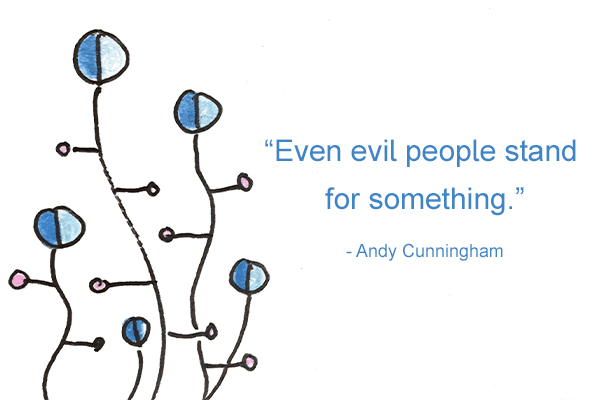
“Even evil people stand for something.” – Andy Cunningham

Here are a few technology trends I am following. By no means an exhaustive list, so I would love to hear more about what you are hearing about, especially coming out of CES, ISE, SXSW, and other recent events.
Ultra-Fast Charge, High Capacity Batteries: This is the key to the end of the combustion engine. A world where torque reigns and the electric vehicle is in every garage (or at the end of every Lyft call). At the end of last year, Toshiba announced a 200 mile battery that charges in 6 minutes, and although this one doesn’t appear to be out of the lab yet, every multi-industrial and every car company seems to be investing here. The implications of this shift not only change industries, but our environment and travel practices as well. But perhaps we won’t be ACTUALLY going anywhere if the next trend catches on.
Augmented Reality/Mixed Reality: Before we go virtually landing aircraft in our living room or visiting the Louve from Los Angeles, I have seen some great practical applications for the technology in technical field repair work and training. I also love the application of virtual reality for architecture, as despite our technology advances, humans as a species have a very difficult time visualizing. We simply can’t imagine what a carpet tile will look like replicated across our entire office space or how a vaulted ceiling will “feel” once it is installed. We had great success with this kind of visualization tools (here is an example) at my previous company, who wanted you to know what your space (or one like it) would look like with a big video wall installed. So, before we replace our physical world with some dystopian future where people in grim warehouses think they live in luxury due to their headsets, I think we can build and maintain a more beautiful and functional world using these new tools.
Light Field Technology: Related to the category above, light field technology has a promise to change the way virtual images show up in the real world. MagicLeap gave the world a holiday present with it’s long leaked and teased light field technology, but as someone who came from the display world, the core science here is very interesting and will spark a whole lot of innovation before we are done. Check out what Leia (named less for the princess than after her “Obi Won Kenobi, you are our only hope” hologram in the Star Wars movie) is working on or geek out on some of the technical papers of the Society for Information Display.
Motion Capture: I loved the pioneering work that OptiTrack does here (full disclosurer: I was with Planar and Leyard when we acquired the company in 2017). I also love how the optical science was originally inspired as a method for mouse replacement for a disabled family member of the then teen-aged founder/inventor, who earlier had won a science competition at 12 years old for building a hoverboard, but I digress. Now, technology of this type is used for motion science research, as well as Hollywood productions and gaming that is changing the realism of what we see. And all because we found a way to sensor up real motion so that we could build better models.
Internet of Things: I would be remiss to list out a technologies to watch list without listing this ubiquitous term that is underlying the growth of companies from start-ups in garages to industrial giants like GE and Honeywell. That said, I think that IoT should probably stand for the “instrumentation of everything.” Why would you use a camera technology (however sophisticated it might be) to identify intruders, when you could use the door, window, or floor covering itself? Why would you need a refrigerator to tell you whether your fruit has spoiled when your robot chef has already taken inventory and is whipping up a batch of banana bread? Why not prevent tripping or falls (which account for more injuries and deaths each year as the population in developed countries ages) with lights triggered by personal beacons and air bags on stairways? With modern day processing and sensors literally in everything, it will be awesome to see what simple solutions arise to real problems.
Artificial Intelligence: This buzz word is SO buzzy that it has spun-out a few additional buzz words to clutter the landscape: deep learning, machine learning, and data science. It is the underlying technology behind self-driving cars and trucks and will be very disruptive to the logistics industry overall. It is an arm’s race not just between companies and research universities, but between countries. Even content, like news articles or promotional videos, will be created auto-magically using these new tools (and their new friends in natural-language generation, video, image manipulation, and 3D modeling).
Fake News: Okay this is a trick one. It really isn’t a technology, but one enabled by a collection of inter-related technologies. We hate fake news. As a marketer, I particularly dislike “smoke and mirrors” pre-releases that feature only Photoshop wizardry, photorealistic 3D renderings, and the promise of things not yet possible. Add to that VoCo which allows you to “Photoshop” your voice to sound like anything or anyone. It is amazing how the technology is advancing. We can’t tell the filtered from the real anymore and with folks like Adobe leading the charge, this will only get harder. This is one to watch as it will change (and has changed) the need for media literacy and the nearly impossible ability we will have to discern it. But maybe with our sensored world, we will just trust the data and skim the news.

To be clear, it is not hard to build a brand. Well, it’s not complicated, at least. It is infuriatingly simple. You only have to let people know why they should care about what you do. It’s as simple as that. Yet, building a brand, and maintaining it, in a noisy world is increasingly difficult and requires some of the best-run companies in the world to invest billions of dollars to ensure that people know what they stand for. Standing is no longer enough. You have to stand out in a sea of others standing.
You don’t want your brand to be a wallflower, the company who no one notices at the dance until it slips away into obscurity. Your brand doesn’t need to be irreverent or brash, but it can’t be shy. It needs self-confidence. It needs to know why it is unique and why it deserves attention. If your brand lacks the courage to be itself, then you might need to mature it. For companies small and large, and even for individuals, this comes down to two things: Clarity and Conviction
Clarity: If you want people to know about your company, products, services, and people, you need to know your brand well enough to introduce it at a cocktail party. What is the one thing that makes it special among the “next best alternatives” in your category? What is it’s value and why are customers willing to pay? Why does it deserve the market share you aspire to? If you have more than one answer about this question, you have more work to do. I love the timeless introduction to Steve Jobs’ speech to introduce the “Think Different” campaign as it speaks to the link between values and brand. To find your “one thing” might be obvious, but for most it requires some research and some soul searching. To find out what customers are buying from you (which may very well be different than what you think you are selling) and what you aspire to become.
Conviction: This is where most brands get into trouble. Companies simply lack the conviction to be clear and talk about their “one thing.” They simply don’t believe enough in their brand position or in their strategy as a company enough to focus on it. They are sustainable, AND fashion-forward AND have the best features. They are value-priced, AND celebrity endorsed AND available for immediate delivery. They are the most established AND the most current AND the safest choice. And because their “but wait, there’s more” approach to brand marketing, leaves customers confused (at best) or creates so much noise, that the signal of their true purpose can never reach their potential customers. And standing, proud enough and long enough to be noticed, requires stamina and perseverance, so can be sure your conviction will be put to the test.
I am as guilty as anyone of taking the “yes, and” approach to branding from time to time. It is human nature to want to please and make our brand relevant to more segments, more customers, and have more value (propositions) than is necessary. Branding is one area where “yes, and” - this communication tool, borrowed from improv - doesn’t apply. You can succeed in negotiations, conflicts, or even creative collaborations using “yes, and” responses, but brand conversations need a lot more “no” and “this, NOT that” clarity. What you say “no” to is the test of strategy and what where you choose not to stand is the test of your brand strategy. It is difficult because you have to fight human nature, sustain under pressure, and have courage. All so that you can stand, with confidence, clarity, and conviction until people think about your “one thing” when they think about your brand.
This article originally appeared on LinkedIn Pulse.

“What people say isn’t news. What people do is news.” – Marci Rossell (former Chief Economist on CNBC)

“Anger shortens your life. Gratitude increases the quality of life.” – John Foley
“Expertise is the enemy of innovation” – Stephen Shapiro
To read more about innovation, check out, What Fire Teaches Us About Innovation.

This seems like a simple question. One that would be easy to answer. But for those of us in a customer-facing and customer-impacting role or with big ambitions for our career, it is the kind of multiple choice question that leads to new insights and creates different day-to-day priorities and strategies.
WHO Do You Work for?
Option 1: You work for your employer. This is the most obvious one. You are employed by an organization from which you receive a paycheck. You have a boss (or several). Your boss might have a boss. Your goals are aligned to the financial or strategic goals of the business and the goals of those bosses. And your primary job is to advocate for the company with customers to create enterprise value for the investors of your company and the leadership who is advocating their interest. With this mindset, the importance of “managing up” is clear. Internal relationship building and being visible in the organization is critical. Whether your manager is collaborative, a micro-manager, or empowering, this view dominates the work landscape.
Option 2: You work for your customers. For marketing professionals and other customer-facing roles, this can be a very useful perspective for day-to-day prioritization. Customers ultimately pay the bills and drive growth and profit in the company. Often customer advocacy and resulting business results can lead to personal rewards. If your goals are aligned to the business goals of your customer, this can lead to great partnership and can optimize long-term customer value. Customer experience and customer service are paramount and are driving enterprise value (not the other way around). With this mindset, the importance of customer relationship building is clear. You need to spend time with your boss, after all. And your primary job is to advocate or the customer within the company.
Option 3: You work for yourself. Perhaps you are self-employed, consult, or rocking the gig economy, but even if you are not, it is helpful to consider this perspective. Even if you are an employee, you own your own career. You own your own development. And for most of us, we own how we apply our time and energy to the various problems and opportunities we face daily. Ultimately, you choose to join companies, which customers or markets you focus on, and how you pursue your personal passions over time. And with this approach, your primary job is to advocate for yourself with customers and the company, to align their goals with the work you want to pursue. In my experience, this perspective comes to the forefront in times of transition or discontent, but otherwise is under-prioritized.
As you consider your answer, know that it truly is a multiple choice question. Your answer will likely be a mix of all three and will vary over time as needs and priorities changes.
In any case, I highly recommend you spending time, being mentored by, and really understanding the needs of all three of your bosses - your employer, your customers, and yourself – to ensure that you are performing up to your fullest potential. We often don’t listen to ourselves or give ourselves the same compassionate and honest advice we would give to colleagues or our employees, even though we could benefit from the self-reflection. And most of us don’t ask or receive advice frequently enough from our employers or our customers and we should regularly seek out the gift of feedback. Armed with these insights, we can confidently answer the question and focus on the highest impact priorities.
This article was originally published on LinkedIn Pulse.

On the advice of a friend, Angela Naphin, whose recent podcast on personal branding, encouraged it, I Googled myself. Despite the popularity of my name, I was pleased to see that I was the 5th most popular image for Jennifer Davis and my blog ranked up there. Behind the runner-up Miss America. Behind a surgeon. Behind an artist. Behind an ambassador. I am in good company, it seems.
According to the US Census Bureau, and their very entertaining HowManyofMe.com website, there are 6,050 women named Jennifer Davis in the US alone. And there over a million women named Jennifer in the US. The name ipeaked in popularity around the time of my birth, which is why all of us Jennifers are about the same age (ie, think Jennifer Gardner, Jennifer Aniston, Jennifer Love Hewitt, Jennifer Lopez, and all the Jennifers you know, are related to, and work with).

But back to my point, my name alone is not distinctive enough to be a brand. Lucky for me it isn’t hard to spell or pronounce. It is easy for people all over the world to say. But it is not unique. It isn’t some celebrity baby name that some might read as strange, but is memorable. My name sounds like someone you have met before and perhaps you have. When I lived in Portland, Oregon, I was told all the time that there was a ticket agent who works at the Portland airport and a high school administrator with the same name. My only hope was that they were outstanding citizens who didn’t end up with our name splashed in a negative newspaper masthead. I think we have generally avoided all of that and as a group we have worked for good.
In the final tally, I am not any of the following Jennifers, but we may share some characteristics.
And the 6,049 others who share my name...are not me.
You, too, should Google yourself. Think about what makes you unique among your name-sharing peers and what make you similar. And then be you!

Millennials aren’t the problem. They are the solution.
For more of my thoughts on millennials, read Generation Gaps, Millennials, and the Future.
“Accurate self-assessment is essential to great career choices.” – Tom Monahan, Norton Street Capital
For more on self-assessment, read Know Thyself: The Toolbox.

Tuesday, February 13th. View details and RSVP here. Hope you can join!

“The role of the modern leader is turning data into stories and focusing actions and resources to these stories. Story is strategy.” – Jennifer Davis

“If you want to make enemies, try to change something.” – Woodrow Wilson
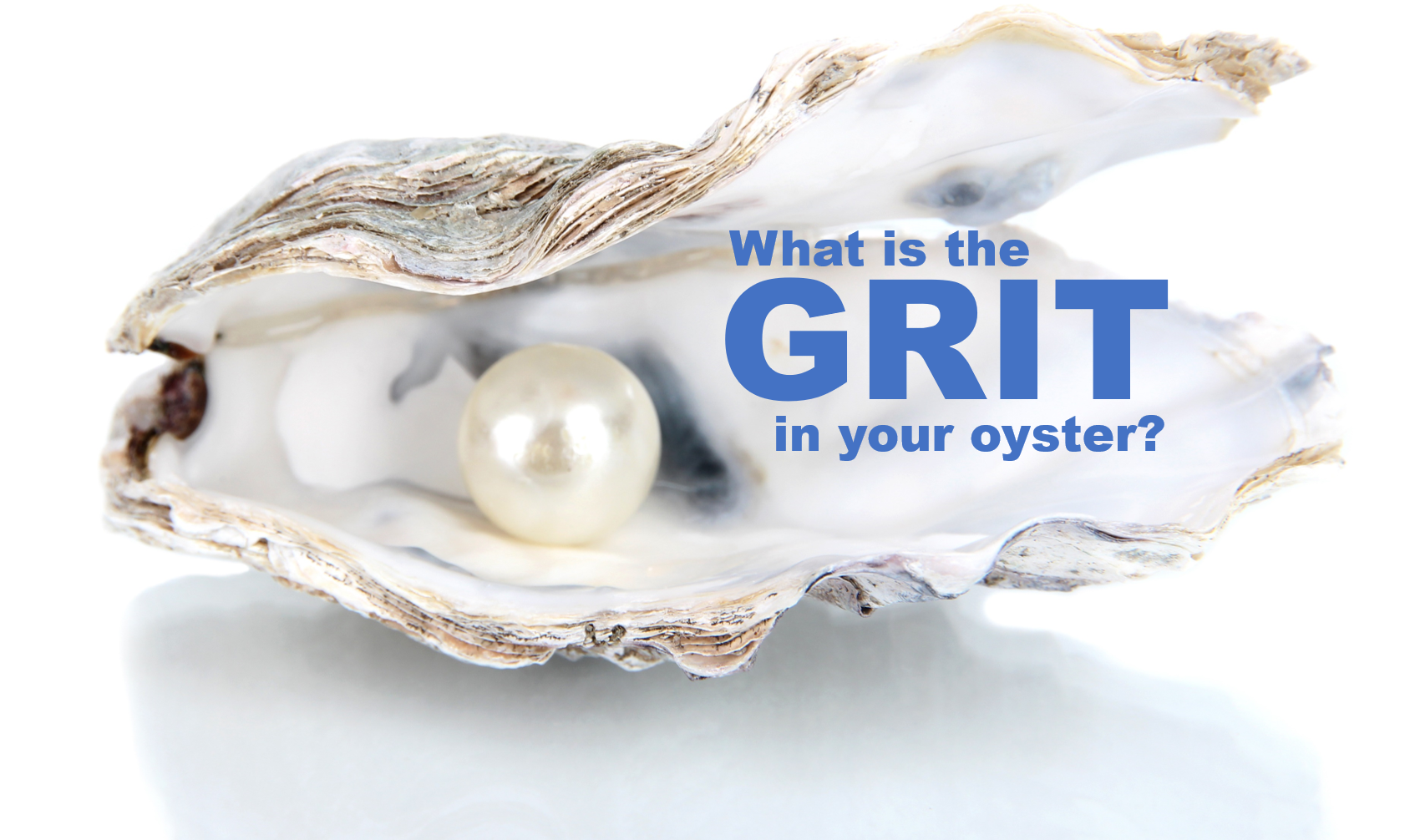
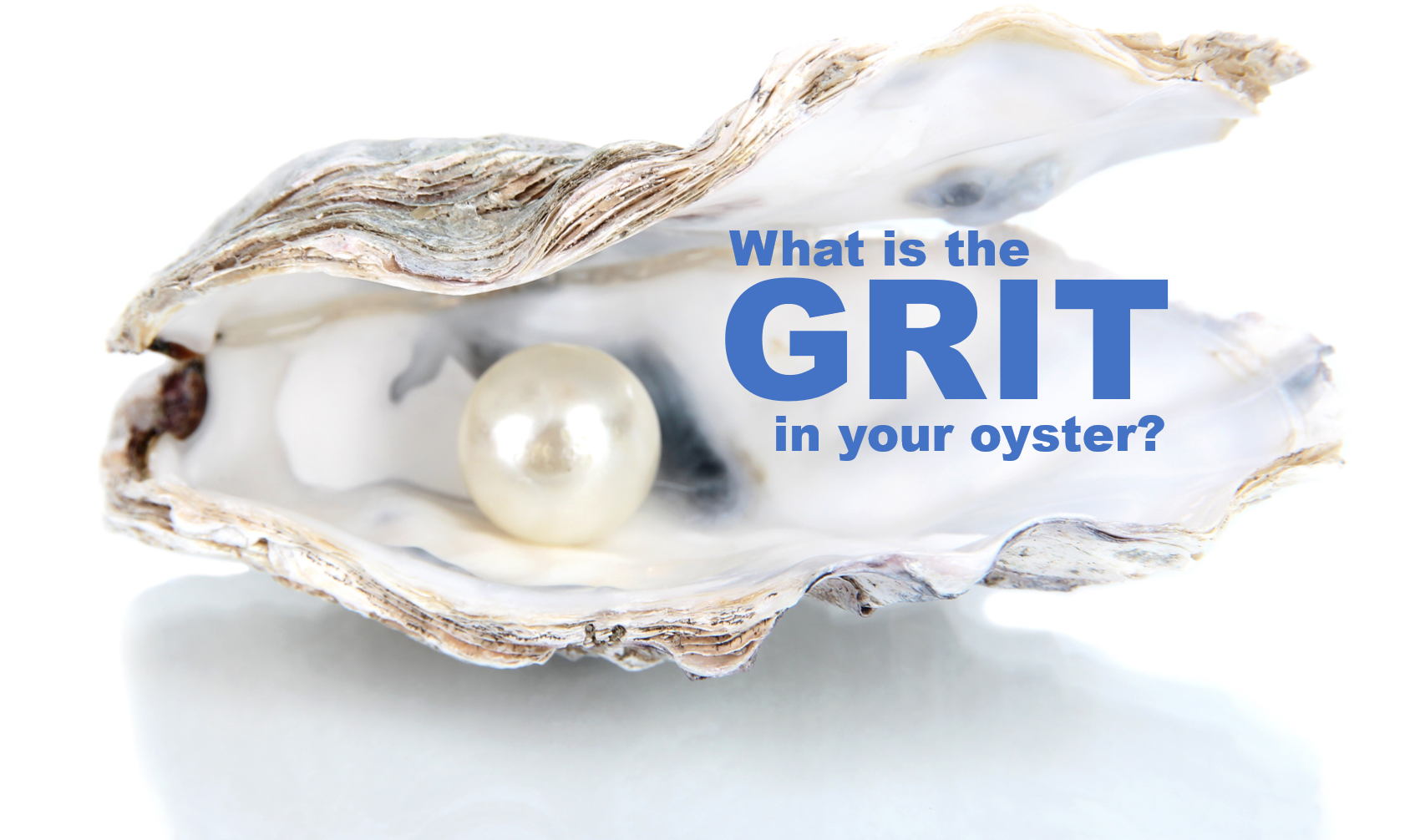
Daniel Ek, the Swedish entrepreneur and technologist best known as the co-founder of Spotify, recently tweeted “I can't think of anyone I admire who isn't fueled by self-doubt. It's an essential ingredient. It's the grit in the oyster. It's the passion, perseverance, and stamina that we must channel in order to stick with our dreams until they become a reality.”
I love the picture that paints of an oyster, wrapping an irritation in layers of protection until the pearl is created. Without the pain, you don’t get the pearl. Come to find out, oysters are not self-motivated. And the same may be true for us. It’s self-doubt, not confidence that is the essential ingredient.
Made me wonder what other seemingly negative emotions might actually motivate great success, fueling you to take action, approach problems differently, or creatively seek alternatives. It is said that necessity (ie, need, want) is the mother of invention. The same could be set about a great number of other negative things. Here are several that you might agree have played a role in your own achievement, either in yourself or others:
- Pain (as opposed to comfort)
- People pleasing (as opposed to independence)
- Anxiety (as opposed to calm)
- Noise (as opposed to quiet)
- Hunger (as opposed to being satisfied)
- Close-mindedness (as opposed to openness)
- Complexity (as opposed to simplicity)
- Slowness (as opposed to speed)
- Rigidity (as opposed to flexibility)
- Fear (as opposed to trust)
- Doubt (as opposed to certainty)
- Exclusion (rather than involvement)
- Discontent (rather than contentment)
Each of us have our own internal motivations. The ones above are often dismissed or rejected as being entirely negative, when you encounter them in yourself or others, but they can be the grit in the oyster that helps you achieve success. But only if you learn how to harness their lessons, with stamina and perseverance, all the way to the harvest.
This article was originally published on LInkedIn Pulse.

“The dream is free. The hustle is sold separately.” - Brian Kutchma
“Leaders don’t manage people, they manage energy.” – Cy Wakeman
And the first energy they manage is their own.
For more on leadership, check out Backing into the Future: 4 Ways to Make Change Work.

Jennifer joined other professionals across the AV and integrated experience industries on a recent podcast of The AV Life to talk about Women of Avixa.
See the Media Coverage page for other examples of articles and podcasts.